Quick answer
Neelakurinji (Strobilanthes kunthiana) blooms once every 12 years, and the next major bloom around Kodaikanal is expected in 2030, from August to October with a peak in September. The last major bloom was in 2018. The most accessible viewing area is around the Kurinji Andavar Temple, 4 km from Kodaikanal town.
Updated
Imagine a flower so rare that it blooms only once every 12 years, transforming entire hillsides into seas of violet-blue. This is the Neelakurinji (Strobilanthes kunthiana), one of nature's most spectacular phenomena, and Kodaikanal is one of the best places in India to witness this breathtaking event.
The Mystique of Neelakurinji
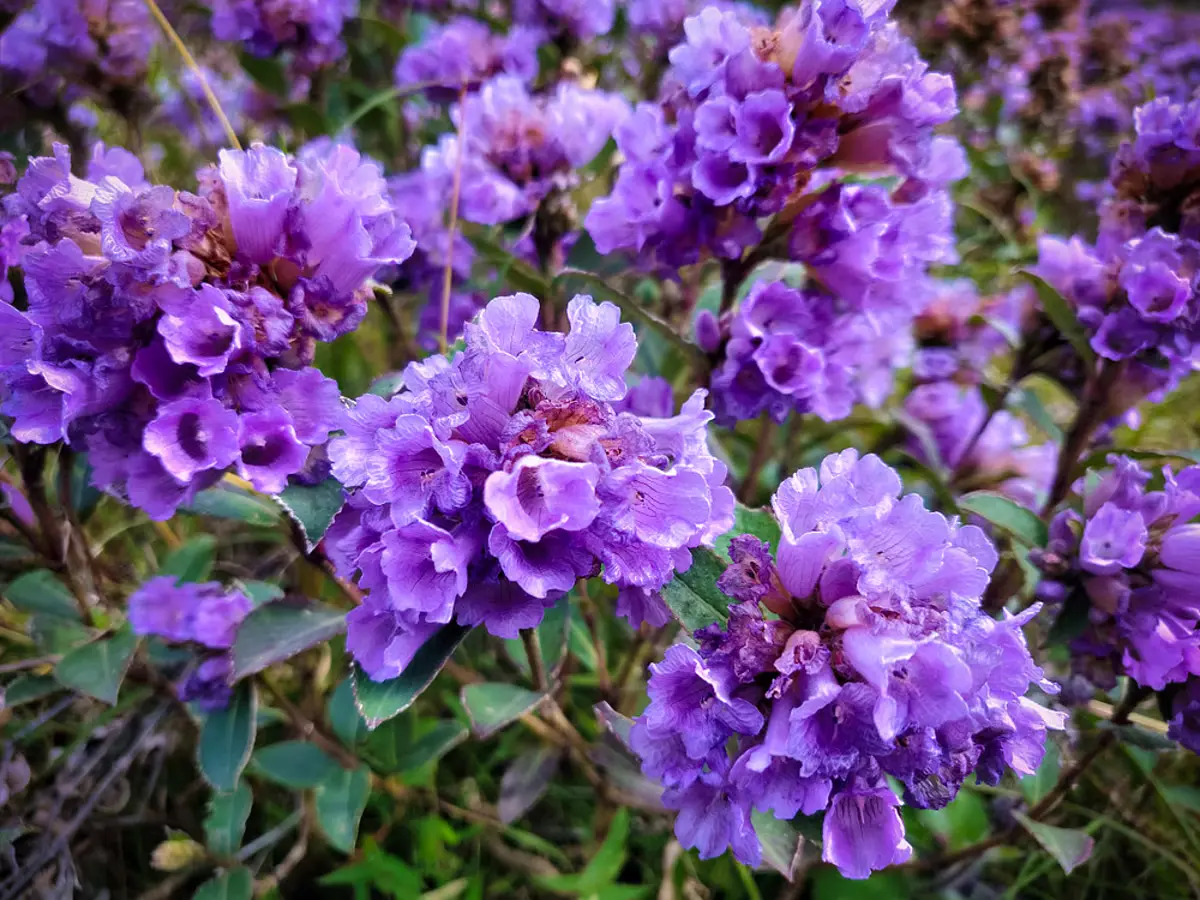
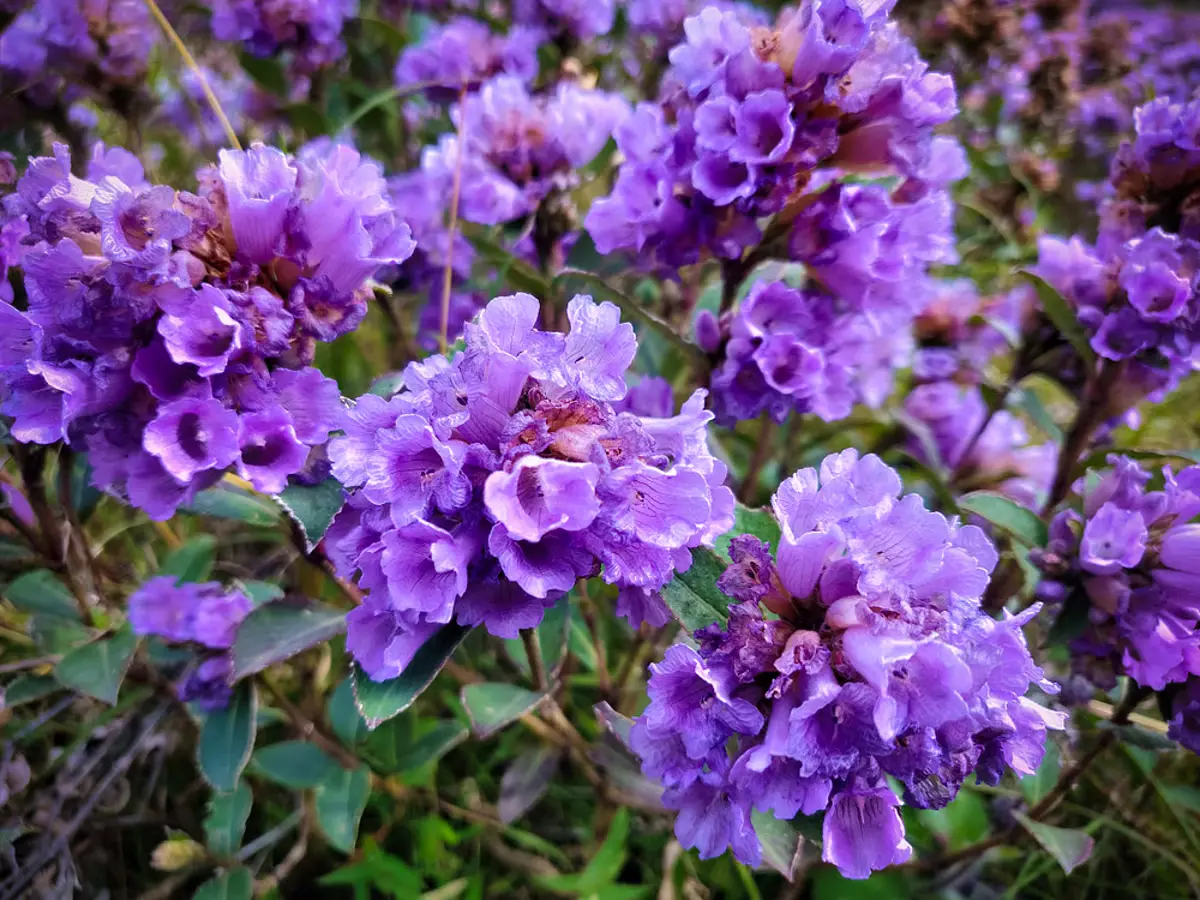
The name "Neelakurinji" comes from Tamil – "Neela" (blue) and "Kurinji" (the flower) – literally meaning "blue flower." When this remarkable plant blooms, it paints entire mountain ranges in shades of violet and blue, creating one of South India's most extraordinary natural spectacles.
Scientific Profile
| Property | Details |
|---|---|
| Scientific Name | Strobilanthes kunthiana |
| Family | Acanthaceae |
| Height | 30-60 cm |
| Flower Color | Violet-blue to purple |
| Bloom Duration | 3-4 months (August-October) |
| Bloom Cycle | Once every 12 years |
| Native Region | Western Ghats, South India |
| IUCN Status | Endangered |
The History and Legend of Kurinji
Ancient Tamil Connection
The Kurinji flower holds deep cultural significance in Tamil heritage. In Sangam literature (ancient Tamil poetry dating back 2,000 years), the Tamil land was divided into five geographical regions called "Thinai," each associated with specific landscapes, emotions, and flowers:
- Kurinji – Mountain regions (associated with love and union)
- Mullai – Forest regions
- Marutham – Agricultural lands
- Neithal – Coastal regions
- Paalai – Desert regions
The Kurinji flower gave its name to the entire mountainous region, symbolizing young love and romantic union in classical Tamil poetry. The flower's rare blooming was seen as a celestial event celebrating love.
The Paliyan Tribe's Calendar
The Paliyan tribal people of the Palani Hills used the Kurinji bloom cycle as a natural calendar. Since the flower blooms every 12 years, tribal elders could calculate their age by counting how many Kurinji blooms they had witnessed in their lifetime. A person who had seen five blooms would be approximately 60 years old.
British Documentation
The first systematic documentation of the Kurinji bloom cycle was done by British botanists in the colonial era. Historical records show consistent 12-year cycles:
Complete Timeline of Kurinji Blooms
Based on documented historical records, here is the complete timeline of Kurinji blooms in the Kodaikanal and Western Ghats region:
| Year | Notable Events |
|---|---|
| 1838 | First documented bloom |
| 1850 | Observed during early missionary settlement |
| 1862 | Recorded bloom |
| 1874 | Recorded bloom |
| 1886 | Recorded bloom |
| 1898 | Recorded bloom |
| 1910 | Recorded bloom |
| 1922 | Post-WWI bloom, increased documentation |
| 1934 | Recorded bloom |
| 1946 | Pre-Independence bloom |
| 1958 | Post-Independence bloom |
| 1970 | Recorded bloom |
| 1982 | Increased tourism documentation |
| 1994 | Major bloom with conservation efforts |
| 2006 | "Year of Kurinji" - Government commemorative stamp released |
| 2018 | Last major bloom - attracted over 100,000 visitors |
| 2030 | NEXT PREDICTED BLOOM |
The 2006 "Year of Kurinji"
The 2006 bloom was particularly significant. Both Tamil Nadu and Kerala governments:
- Declared it the "Year of Kurinji"
- Released commemorative postage stamps
- Launched conservation programs
- Promoted eco-tourism around the bloom
The 2018 Bloom
The most recent major bloom occurred in 2018, when the hillsides around Kodaikanal and the Munnar region of Kerala turned purple-blue. Key highlights:
- Peak Season: September-October 2018
- Visitors: Over 100,000 tourists visited Kurinji viewing areas
- Conservation: Special zones were created to protect the plants
- Media Coverage: International attention from nature photographers
Unexpected 2020 Sighting
Interestingly, small patches of Neelakurinji were spotted blooming in some areas around Kodaikanal in 2020 – just 2 years after the major bloom. Scientists believe this could be due to:
- Micro-climate variations
- Different Strobilanthes species (there are over 46 species in India)
- Climate change effects
Next Kurinji Bloom: 2030
Mark Your Calendars!
The next major Neelakurinji bloom is expected in 2030, specifically:
- Expected Timing: August to October 2030
- Peak Bloom: September 2030
- Countdown: Just 4 years away!
Best Months to Visit in 2030
| Month | Bloom Status | Conditions |
|---|---|---|
| August 2030 | Early bloom begins | Monsoon transitioning, occasional rains |
| September 2030 | Peak bloom | Best time, mild weather, full fields |
| October 2030 | Late bloom | Flowers fading, good for photography |
Planning Ahead for 2030
Given the rarity of this event and the massive tourist interest expected:
- Book Accommodations Early: Start booking hotels 6-12 months in advance
- Arrange Transport: Pre-book vehicles as demand will be high
- Plan Leave: Take at least 3-4 days to fully experience the bloom
- Photography Gear: Pack good camera equipment for this once-in-12-years opportunity
Best Places to See Kurinji in Kodaikanal
1. Kurinji Andavar Temple Area
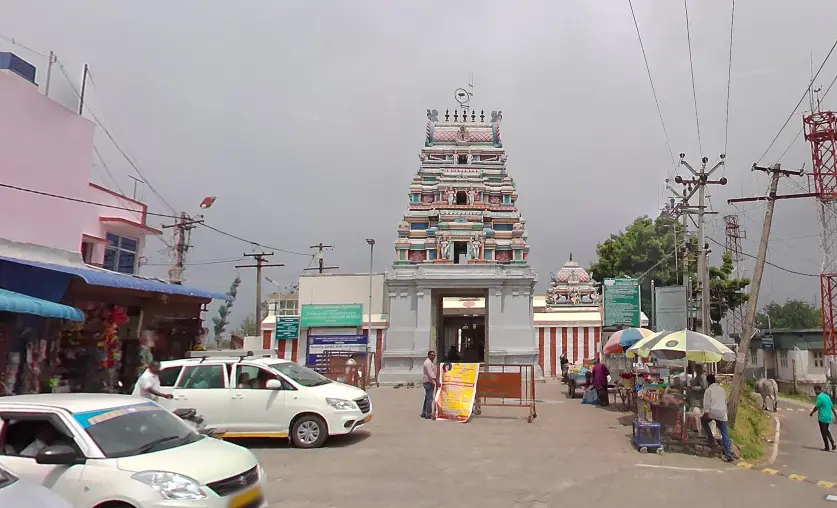
The Kurinji Andavar Temple is dedicated to Lord Murugan and is surrounded by hills where Kurinji flowers bloom abundantly. This is the most accessible and popular viewing location.
Details:
- Location: 4 km from Kodaikanal town center
- Accessibility: Motorable road, easy for all ages
- Facilities: Parking, restrooms, small shops
- Best Time: Early morning for photography
2. Poombarai Village
A scenic village about 18 km from Kodaikanal, Poombarai offers stunning valley views and is surrounded by Kurinji-rich hillsides.
Details:
- Location: 18 km from Kodaikanal
- Specialty: Less crowded, panoramic views
- Activities: Village walks, local culture
- Best For: Photography enthusiasts
3. Mannavanur Area
The grasslands and shola forests around Mannavanur Lake host significant Kurinji populations.
Details:
- Location: 30 km from Kodaikanal
- Specialty: Lakeside Kurinji viewing
- Permit: Forest department permission may be required
- Best For: Nature lovers, birdwatchers
4. Upper Palani Hills
The hillsides above Perumalmalai and beyond offer excellent Kurinji sightings away from major crowds.
Details:
- Location: 15-25 km from Kodaikanal
- Specialty: Vast hillside coverage
- Accessibility: May require some hiking
- Best For: Trekkers, adventurous visitors
5. Berijam Lake Region
The protected forest area around Berijam Lake contains pristine Kurinji habitats.
Details:
- Location: 20 km from Kodaikanal
- Specialty: Untouched natural setting
- Permit: Forest department permit required
- Best For: Eco-tourists, wildlife enthusiasts
The Science Behind the 12-Year Cycle
Why 12 Years?
The exact mechanism behind the Kurinji's 12-year cycle remains one of botany's most fascinating mysteries. Scientists have proposed several theories:
1. Genetic Programming The plant appears to have an internal biological clock that triggers flowering after 12 years of vegetative growth. This is known as monocarpic behavior – the plant flowers once and then dies.
2. Resource Accumulation It takes 12 years for the plant to accumulate enough energy and nutrients to support the massive effort of producing flowers and seeds.
3. Predator Satiation By blooming synchronously across vast areas once every 12 years, the plants produce so many seeds that seed-eating animals cannot consume them all, ensuring some survive to germinate.
4. Climate Cycles Some researchers suggest a link to subtle 12-year climate or environmental cycles, though this isn't conclusively proven.
Synchronous Blooming
One of the most remarkable aspects is mass synchrony – all Kurinji plants in a region bloom in the same year, creating the spectacular blue hillsides. This synchronization ensures:
- Maximum pollination success
- Seed production overwhelms predators
- Offspring all start growing together
Conservation Concerns
Threats to Kurinji
The Neelakurinji faces several conservation challenges:
- Habitat Loss: Expanding tea plantations and settlements
- Climate Change: Altering bloom patterns and habitat suitability
- Tourism Pressure: Trampling during bloom seasons
- Invasive Species: Competition from non-native plants
- Illegal Collection: Some plants are illegally harvested
Conservation Efforts
Various initiatives are protecting this endangered species:
- Protected Zones: Designated Kurinji conservation areas
- Eravikulam National Park: 8,000+ hectares of protected Kurinji habitat (Kerala)
- Local Community Programs: Involving tribal communities in conservation
- Research Programs: Studying bloom cycles and propagation
- Visitor Management: Regulating foot traffic during bloom seasons
How You Can Help
When visiting during the 2030 bloom:
- Stay on marked paths
- Don't pick or uproot plants
- Avoid using flash photography excessively
- Carry your trash out
- Support local conservation initiatives
Cultural Significance Today
In Tamil Nadu
- The flower appears on official state emblems and promotional materials
- Kurinji festivals are organized during bloom years
- Traditional songs and literature reference the flower
In Kerala
- Eravikulam National Park is famous for its Kurinji blooms
- Munnar hosts Kurinji festivals during bloom years
- Tourism campaigns feature the flower prominently
In Popular Culture
The Kurinji has appeared in:
- Tamil films and songs
- Travel documentaries
- National Geographic features
- Instagram and social media viral moments during 2018 bloom
Plan Your Kurinji 2030 Trip
Suggested Itinerary
Day 1: Arrival & Temple Visit
- Arrive in Kodaikanal
- Evening visit to Kurinji Andavar Temple
- Watch sunset over Kurinji fields
Day 2: Hill Exploration
- Early morning trek to Upper Palani viewing points
- Photography sessions in golden morning light
- Visit Poombarai Village
- Evening at Kodaikanal Lake
Day 3: Extended Exploration
- Visit Mannavanur or Berijam Lake area (with permits)
- More Kurinji photography
- Local chocolate shopping
- Departure or extended stay
Useful Links
- 📋 Trip Planner – Create your custom Kurinji season itinerary
- 🗺️ Distance Calculator – Plan your journey to Kodaikanal
- 🏔️ Kurinji Andavar Temple – Temple details
- 🏨 Hotels in Kodaikanal – Book your stay
Conclusion: A Once-in-a-Lifetime Experience
The Neelakurinji bloom is more than just a botanical event – it's a once-in-a-generation phenomenon that connects us to the ancient rhythms of nature. Whether you're a photographer, nature lover, spiritual seeker, or simply someone who appreciates life's rare moments, witnessing the 2030 Kurinji bloom should be on your bucket list.
Start planning now. The countdown to 2030 has begun, and the hills of Kodaikanal await their transformation into a canvas of violet-blue wonder.
Set your reminder. Book your stay. Witness the magic.
🌸 Next Bloom: August-October 2030 🌸
Frequently asked questions
When is the next Neelakurinji bloom in Kodaikanal?
The next major bloom is expected in 2030, between August and October, with the peak in September 2030. Small patches may appear in interim years; some were spotted around Kodaikanal in 2020.
How often does the Neelakurinji flower bloom?
Once every 12 years. The exact mechanism is still debated; theories include an internal biological clock, resource accumulation, and synchronous mass blooming that overwhelms seed-eating animals. The plant (Strobilanthes kunthiana) flowers once and then dies.
Where can I see Neelakurinji near Kodaikanal?
Kurinji Andavar Temple area (4 km from town, the most accessible), Poombarai Village (about 18 km), Mannavanur area (30 km), the Upper Palani Hills (15–25 km, may need some hiking) and the Berijam Lake region (20 km).
Do I need a permit to see the Kurinji flowers?
A Forest Department permit is required for the Berijam Lake region, and permission may be required around Mannavanur. The Kurinji Andavar Temple area has a motorable road and this guide lists no permit for it.
When was the last Neelakurinji bloom and how many visitors came?
The last major bloom was in 2018, peaking in September–October, and attracted over 100,000 visitors to Kurinji viewing areas around Kodaikanal and Munnar. The plant is listed as Endangered by the IUCN, so stay on marked paths and do not pick or uproot plants.